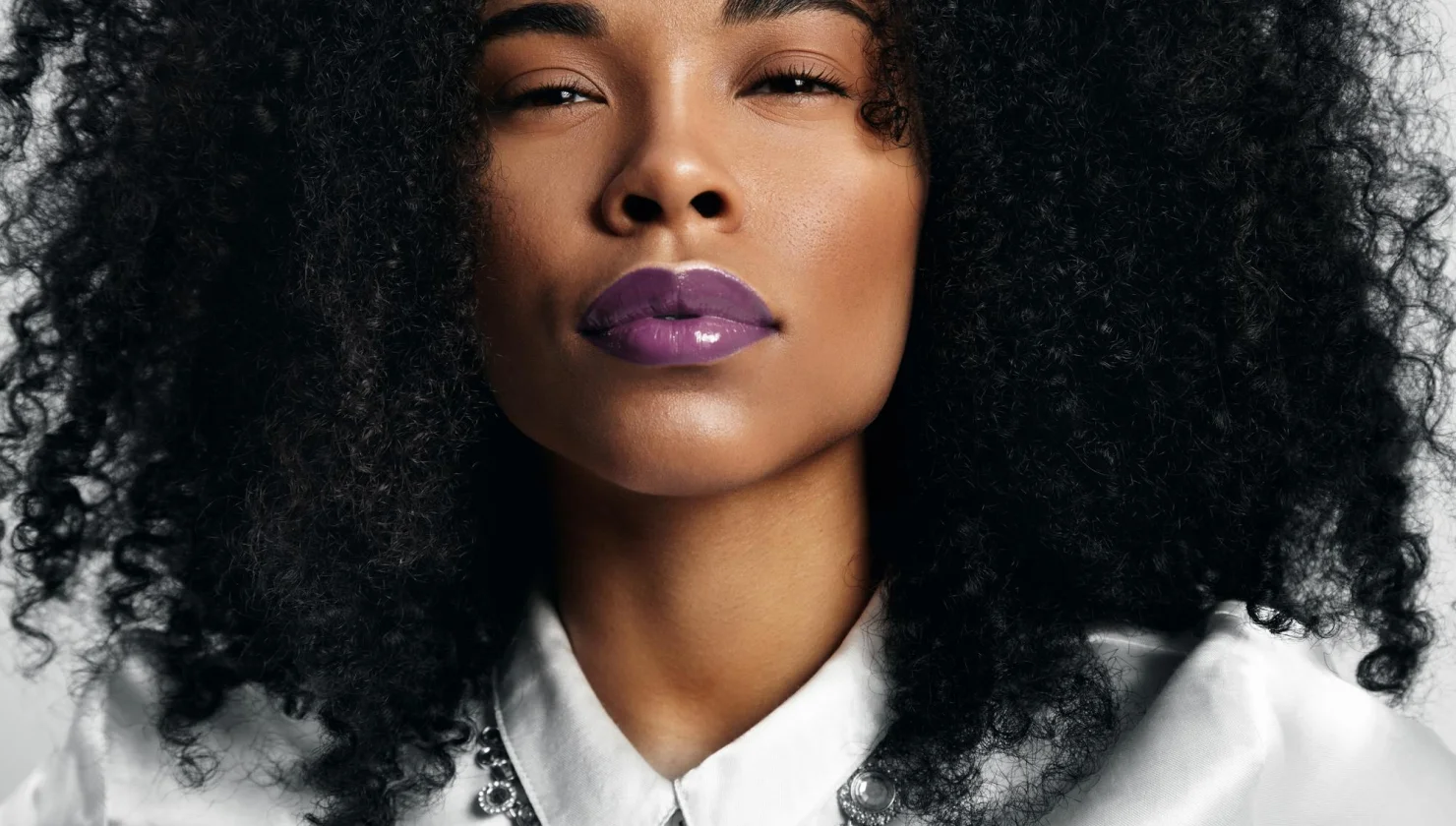
Whether you’re running late or simply hate waiting, knowing how long hair takes to dry can make all the difference!

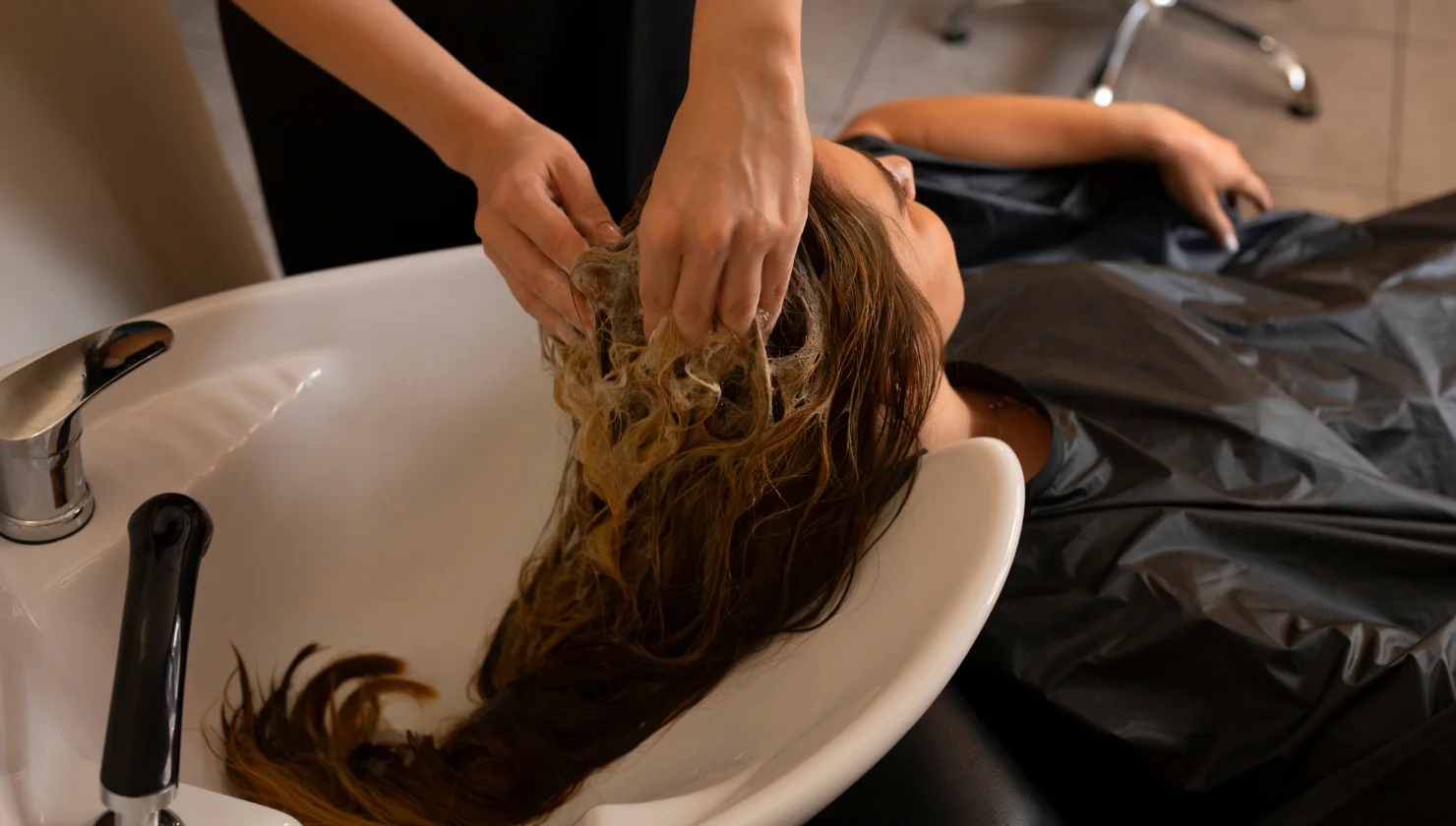
The quickest ways to dry hair focus on removing excess moisture fast while keeping the hair healthy and smooth. Start by gently squeezing out water with your hands, then use a microfibre towel or soft cotton T‑shirt to blot — not rub — which speeds up drying without causing frizz. For even faster results, flip your head upside down and use a high‑power blow‑dryer on medium heat, directing airflow down the hair shaft to reduce moisture and boost shine. If you’re in a rush, apply a lightweight, quick‑dry spray to help evaporate water more efficiently. Combining these steps cuts drying time dramatically while keeping the hair looking polished and healthy.
Whether you’re running late or simply hate waiting, knowing how long hair takes to dry can make all the difference! For many, drying hair feels like a chore, especially when time is tight.
Christine R
Average Drying Time for Hair: What to Expect
The average drying time for hair can vary widely, but most people can expect anywhere from 30 minutes to over 2 hours for hair to fully air‑dry, depending on its length, thickness, and texture. Fine or short hair tends to dry the fastest, often within half an hour, while medium to thick hair usually takes closer to an hour. Very dense, curly, or long hair can hold onto moisture much longer, sometimes needing two hours or more to completely dry without heat. Factors like humidity, product use, and how much water is removed with a towel also play a big role. Understanding your hair’s natural drying pace helps you plan your routine and choose the right drying method for a smooth, healthy finish.
Factors That Affect Hair Drying Time
Hair drying time is influenced by a mix of factors that determine how quickly moisture leaves the strands. Hair thickness and density play a major role — fine hair dries quickly, while thick or densely packed hair holds onto water much longer. Texture matters too: straight hair releases moisture faster, whereas curly or coily patterns trap water within their spirals. The length of the hair, the products applied (like leave‑ins or oils), and how thoroughly the hair is towel‑dried beforehand all impact drying speed. Even your environment — humidity, temperature, and airflow — can dramatically speed up or slow down the process. Understanding these factors helps you choose the best drying method for healthier, more efficient results.
Hair Thickness and Density
Hair thickness and density play a major role in how quickly your hair dries, because they determine how much water your strands can hold. Thicker individual strands naturally absorb and retain more moisture, so they take longer to dry than fine hair, which releases water much more quickly. Density — the number of strands on your head — adds another layer: even if your strands are fine, a very dense head of hair can take significantly longer to dry simply because there’s more hair for the water to move through. When both thickness and density are high, drying time increases noticeably, especially without heat. Understanding where your hair sits on this spectrum helps you choose the most efficient drying method and the right products to speed up the process while keeping your hair healthy.

For science, music, sport, etc, Europe uses the same vocabulary. The languages only differ in their grammar, their pronunciation and their most common words.
Everyone realizes why a new common language would be desirable: one could refuse to pay expensive translators. To achieve this, it would be necessary to have uniform grammar, pronunciation and more common words. If several languages coalesce, the grammar of the resulting language is more simple.
Hair Texture
Hair texture has a huge impact on how quickly your hair dries because different patterns hold and release moisture in completely different ways. Straight hair tends to dry the fastest since water can slip off the smooth surface of the strand with minimal resistance. Wavy hair takes a bit longer because its bends create small pockets where moisture lingers. Curly and coily textures hold onto water the longest — their spirals and tight curls trap moisture inside the pattern, slowing evaporation and extending drying time significantly. The more textured the hair, the more patience (or strategic drying techniques) you’ll need, making texture one of the most important factors in understanding your personal drying routine.
Humidity and Air Circulation
Humidity and air circulation have a major influence on how quickly your hair dries because they control how easily moisture can evaporate from the strands. In high humidity, the air is already saturated with water, so your hair struggles to release moisture, leading to noticeably longer drying times and a higher chance of frizz. In contrast, dry air allows water to evaporate much faster. Air circulation matters just as much — still, stagnant air slows the process, while moving air (from a fan, open window, or blow‑dryer) helps lift moisture away from the hair more efficiently. Together, humidity and airflow can dramatically speed up or slow down your drying routine, making them key environmental factors to pay attention to.
The Drying Method You Choose
The hair‑drying method you choose has one of the biggest impacts on how long your hair takes to dry and how healthy it looks afterward. Air‑drying is the slowest option, especially for thick or textured hair, because it relies entirely on natural evaporation. Towel‑drying with a microfibre towel speeds things up by absorbing excess moisture without roughing up the cuticle. Blow‑drying is the fastest method, and using controlled heat with steady airflow can dramatically cut drying time while smoothing the hair — especially when paired with a nozzle attachment. Diffusing helps curls and waves dry more evenly but can take a bit longer than direct blow‑drying. Each method affects not just drying speed but also the final finish, making your choice an important part of your overall styling routine.
The quickest ways to dry your hair all come down to removing excess moisture efficiently while keeping the hair smooth and healthy. Starting with the right foundation makes the biggest difference: gently squeezing out water with your hands, then using a microfibre towel or soft cotton T‑shirt to blot, not rub, helps absorb moisture fast without causing frizz or damage. From there, choosing the right drying method speeds things up even more. A high‑power blow‑dryer on medium heat, paired with a nozzle to direct airflow down the hair shaft, dramatically cuts drying time while keeping the cuticle smooth. Quick‑dry sprays can also help evaporate water more efficiently, especially when you’re in a rush.
Ultimately, the fastest results come from combining smart techniques rather than relying on one method alone. Removing as much water as possible before heat styling, working in sections, and ensuring good air circulation all help your hair dry quicker and look better in the process. Whether you prefer a polished blow‑dry or a more natural finish, understanding how to optimise each step makes your routine faster, easier, and healthier for your hair.
Make An Enquiry
It’s easy and free!